CSs summoned by MPs over Kenya Power's Sh30 billion debt, high electricity costs
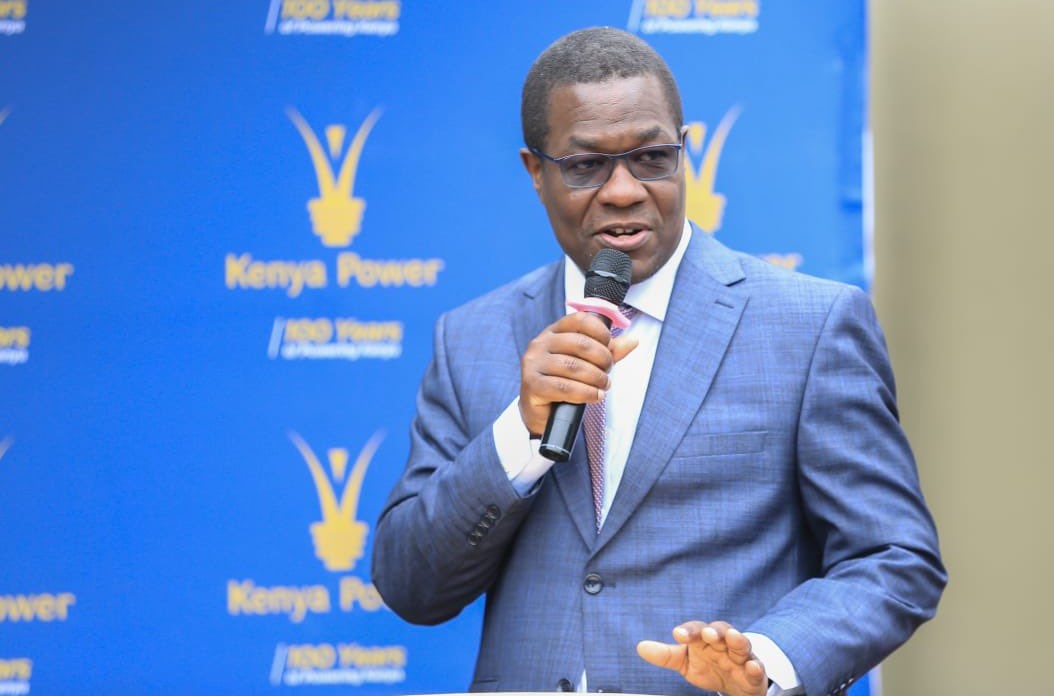
The House committee also wants clarity on why 30 mini-grids built using public funds in arid and semi-arid areas are still not operational more than three years after being handed over to Kenya Power.
MPs have summoned two Cabinet Secretaries and several energy sector players to explain why Kenya Power is owed over Sh30 billion and why Kenyans continue to suffer high electricity prices despite billions being spent on power projects.
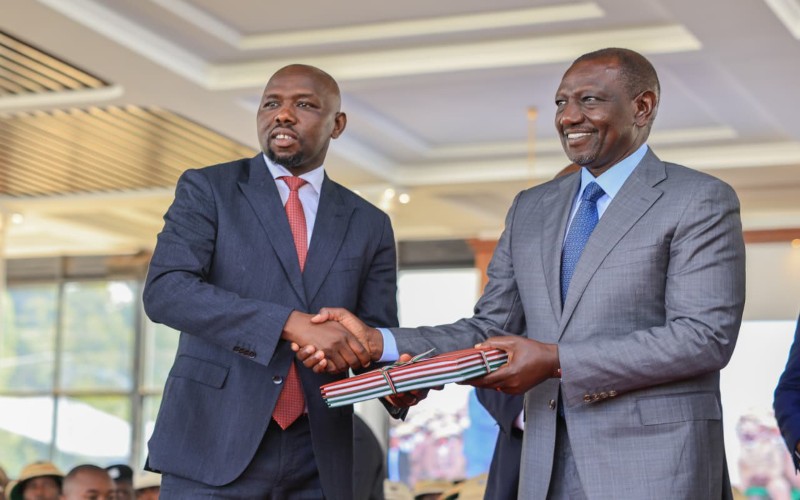
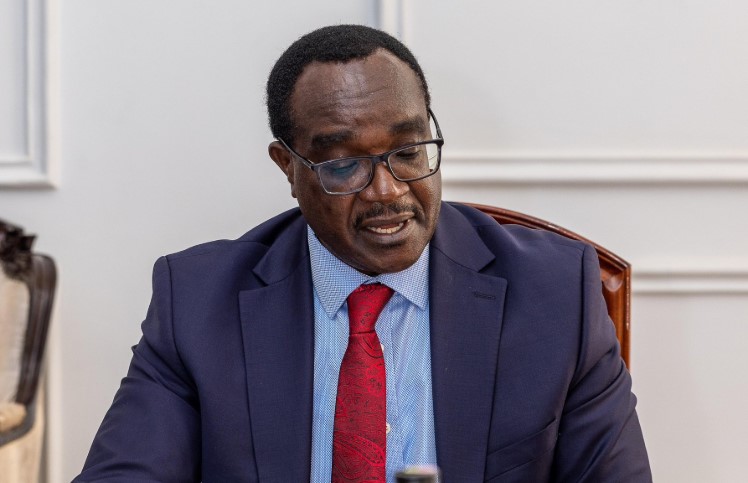
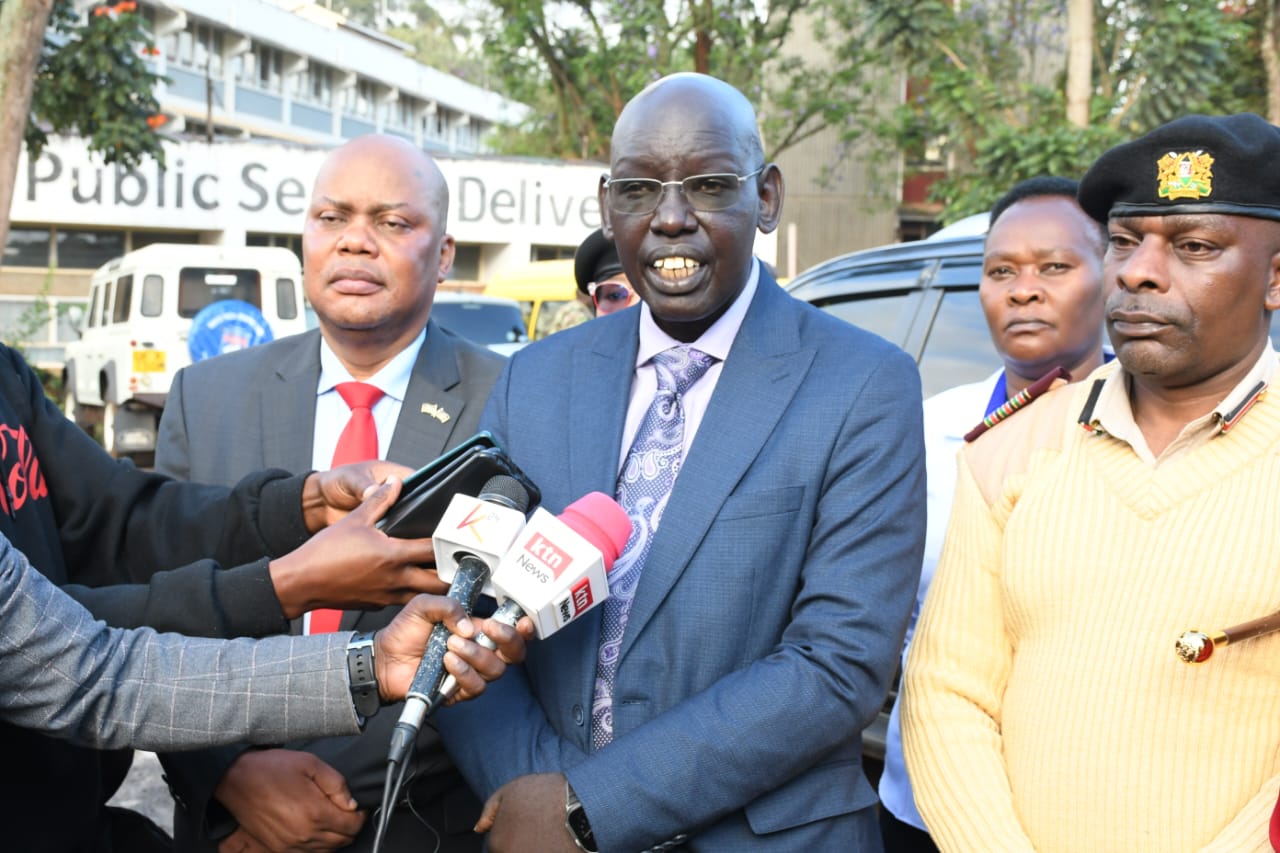
The National Assembly’s Public Investments Committee on Commercial Affairs and Energy wants Energy Cabinet Secretary Opiyo Wandayi and Treasury’s John Mbadi to appear before it on August 5.
More To Read
- Kenya Power ends manual applications, new connection requests exclusively via website
- Over 16,000 in the dark as Kenya Power struggles to procure essential meters, transformers
- 122 electrocuted as illegal connections, encroachment rise - Kenya Power
- County governments owe Kenya Power Sh5.67 billion in unpaid electricity bills - report
- Kenya Power rolls out digital meter reading system to boost billing accuracy
- Power producers warn of costly PPAs as Parliament lifts seven-year moratorium
They will be joined by officials from Kenya Power, the Rural Electrification and Renewable Energy Corporation (REREC), and the Energy and Petroleum Regulatory Authority (EPRA).
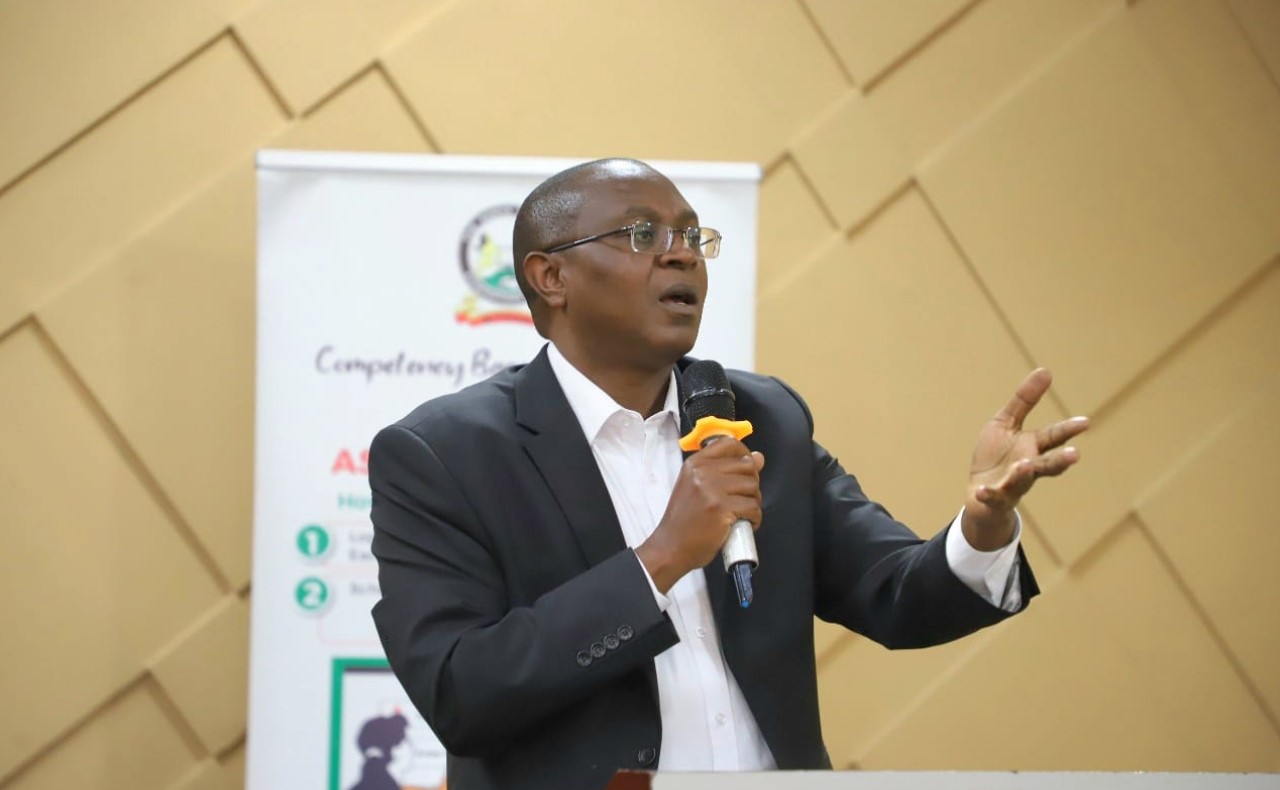
Committee chairperson David Pkosing said the discussions will focus on the large debt the government owes Kenya Power for supplying subsidised electricity under the Rural Electrification Scheme (RES), which serves low-income and remote areas.
These schemes are funded by the government but implemented by Kenya Power under an old agreement signed in 1973.
The committee also wants clarity on why 30 mini-grids built using public funds in arid and semi-arid areas are still not operational more than three years after being handed over to Kenya Power.
At the same time, Parliament has begun reviewing all existing power purchase agreements signed between Kenya Power and Independent Power Producers (IPPs), citing concerns over their role in driving up electricity costs.
Kenya Power CEO Joseph Siror defended the role of IPPs, saying pricing is based on the technology used to produce electricity.
Top Stories Today